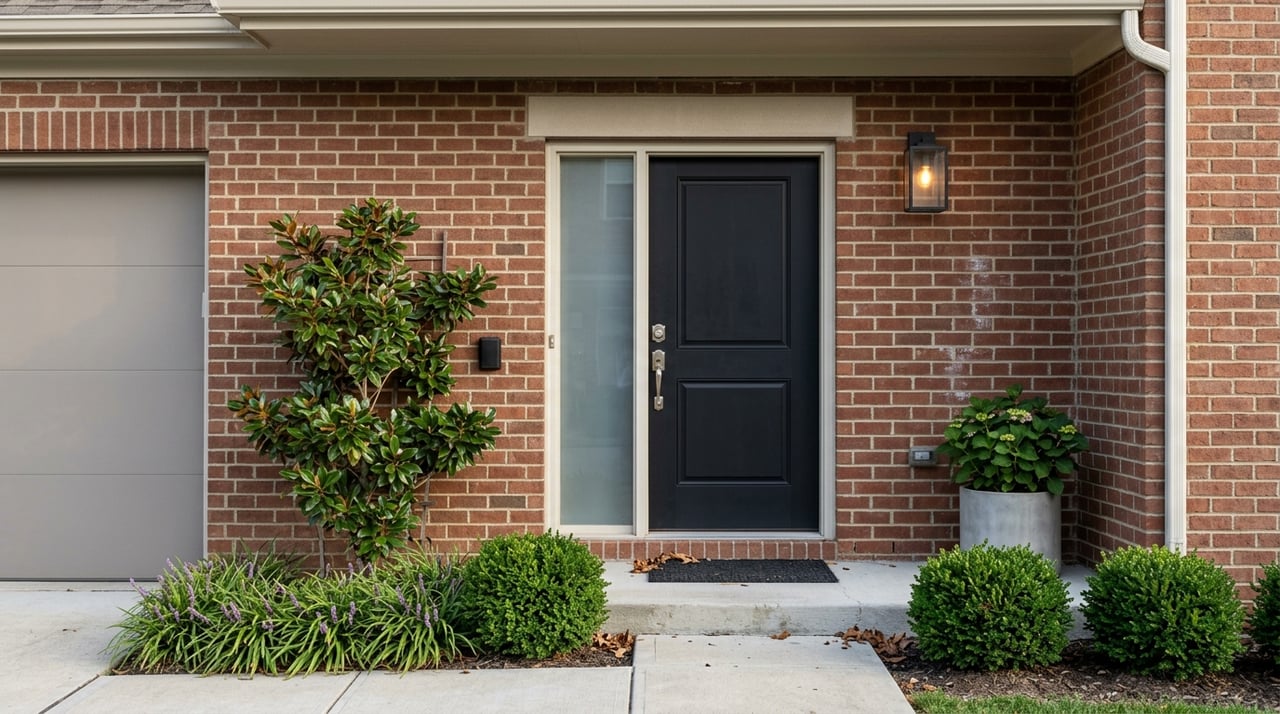
Hoover Townhome Living For Busy Professionals
July 16, 2026
July 16, 2026
If your workdays are full and your weekends disappear fast, a low-maintenance home can feel less like a luxury and more like a smart move. Many buyers in Hoover want a place that supports a busy schedule without giving up convenience, access, or everyday comfort. This guide will help you understand why townhome living appeals to many professionals in Hoover, what to watch for before you buy, and how to evaluate the details that matter most. Let’s dive in.
Hoover offers a mix of scale, connectivity, and daily convenience that fits attached-home buyers well. Census estimates place Hoover at 93,550 residents in 2025, with a labor-force participation rate of 68.3% and a mean commute time of 25.2 minutes. The city also reports that 62.6% of residents have a bachelor’s degree or higher.
Those numbers help explain why Hoover often attracts buyers who want strong access to work, shopping, dining, and recreation. For many professionals, that means looking for a home that cuts down on upkeep while staying close to major routes and activity centers. In Hoover, that combination is easy to see.
The city highlights Central Hoover as being close to parks, the interstate system, and within about a 20-minute drive of many core metro destinations. Hoover also has access to I-65, I-459, I-20, I-59, and I-22, along with U.S. 31 and U.S. 280. With three interstate exits on both I-65 and I-459, getting around the metro is a major part of the area’s appeal.
Some parts of Hoover stand out for buyers who value easier daily routines. The city describes Bluff Park as an area of redevelopment that is popular with young professionals. Central Hoover also gets attention for its access to parks and road networks.
That does not mean one area fits everyone. It does mean your location choice can shape your commute, your errands, and how much time you spend in the car each week. When you are comparing townhomes, that practical day-to-day picture matters just as much as the unit itself.
For many busy buyers, the biggest draw of a townhome is simple: less maintenance. In many attached-home communities, exterior upkeep and shared-area maintenance are handled through an association. That can free up time you would otherwise spend on yard work, exterior repairs, or ongoing upkeep tasks.
There is an important detail here, though. A townhome may look like a traditional row-style home, but the legal ownership structure may be a condo or something else. Fannie Mae notes that some condo communities include multistory townhomes, which means you should never assume the ownership type based on appearance alone.
This is one of the first things you should clarify before making an offer. A condo generally means you own the individual unit and share ownership of exterior property and common areas. A fee-simple townhome may involve different ownership boundaries and responsibilities.
That distinction affects financing, insurance, monthly costs, and what the association maintains. It can also affect resale. If you are buying in Hoover, ask early whether the property is legally a condominium or a fee-simple townhome so you know exactly what you are evaluating.
Low-maintenance living tends to work best when the area around you adds value to daily life. Hoover offers a wide range of amenities that support that lifestyle. If you want a home base that keeps errands, recreation, and entertainment within easier reach, that can be a real advantage.
Riverchase Galleria reports more than 150 stores and identifies itself as Alabama’s largest enclosed shopping center. The Hoover Met Complex spans more than 60 acres and includes Hoover Met Stadium, a multipurpose event center, 10 outdoor fields, tennis courts, and an RV park. Moss Rock Preserve offers nearly 12 miles of hiking trails, and Aldridge Gardens includes a 30-acre woodland garden with a half-mile walk around a six-acre lake.
The city also describes Stadium Trace Village as a 43-acre walkable destination at I-459 exit 10 with retail and commercial space. For a professional buyer, these kinds of amenities can support a more efficient and enjoyable routine. You may be able to spend less time driving across the metro for everyday needs and more time enjoying where you live.
The tradeoff in townhome and condo living is that lower maintenance usually comes with shared rules, shared costs, and shared financial responsibility. That is not automatically a problem. It just means you need to review the association carefully.
In Alabama, condominium associations can adopt budgets, reserves, assessments, rules, and insurance programs, and they maintain and repair common elements. In practical terms, that means the association’s financial health and management quality have a direct effect on your ownership experience.
Monthly dues are not just an extra bill. They are part of your total housing cost and should be treated that way from the beginning. Fannie Mae says condo fees commonly cover exterior and common-area maintenance and may also include water, sewer, trash, insurance, reserves, and amenity upkeep.
The exact coverage varies by community. One association may cover more services, while another may keep dues lower but leave more responsibility with owners. In Hoover, reviewing that breakdown carefully can help you compare properties more accurately.
A common mistake is focusing only on principal, interest, taxes, and insurance. The Consumer Financial Protection Bureau says condo, co-op, and HOA dues are usually paid directly to the association and are not included in your mortgage servicer payment. That means you need to budget for them separately.
This matters for affordability. A home that looks comfortable on paper can feel tighter once you add monthly dues, especially if you also expect parking fees, utility differences, or future assessments. A clear monthly budget helps you buy with confidence.
If the property is a condo, expect a little more paperwork. HUD says FHA condo loans are available only in FHA-approved condo projects or projects that meet single-unit approval requirements. The project must satisfy factors such as insurance coverage, financial condition, title structure, pending legal action, and physical condition.
Fannie Mae also notes that lenders may need to determine a condo project review type, confirm project insurance requirements, and use condo questionnaires or project review tools. That does not mean financing is impossible. It does mean the community itself becomes part of the loan review.
With a detached home, the lender is mostly focused on you and the property. With a condo or some attached-home structures, the association can also affect loan approval. Weak reserves, unresolved lawsuits, insurance gaps, or deferred maintenance can create issues.
This is one reason buyers should start their due diligence early. If you know your loan type, your budget, and the kind of community you are considering, you can avoid wasting time on a property that may not fit your financing path.
In Alabama, condo resale rules give buyers important information to review before closing. State law says that on a resale, the unit owner must provide a buyer with the declaration, bylaws, rules, regulations, and a certificate with details such as periodic common-expense assessments, unpaid common or special assessments, the current budget, recent financial statements, unsatisfied judgments, pending suits, insurance coverage, and resale restrictions.
That package is not just routine paperwork. It is one of the clearest windows into what you are really buying. It shows how the community operates, what it costs, and whether there are issues that could affect your ownership experience.
For attached-home buyers in Hoover, this is one of the most practical takeaways. The HOA or condo documents are not side notes. They are part of the property.
As you review them, pay close attention to:
No one can promise future appreciation, but some factors tend to support resale more than others. In Hoover, location and convenience often matter a great deal. Properties near major commute routes and established lifestyle destinations may stay more visible to future buyers.
The city’s continued attention to central redevelopment also adds context. Hoover has a Riverchase Galleria redevelopment study focused on creating a walkable city center, and its Downtown Redevelopment Authority covers a 3-mile radius that includes Lorna Road, Riverchase Galleria, Patton Creek, and Bluff Park. That public focus is not a guarantee, but it can be a useful sign of long-term visibility.
Some risks are easier to spot if you know where to look. Fannie Mae says lenders look at physical condition, financial stability, structural debt, evacuation orders, pending lawsuits, and whether required inspections are complete. Buyers are also encouraged to ask about special assessments, reserves, insurance coverage, the useful life of major components, and whether the complex is renter-friendly.
If those areas raise concerns, resale can become harder later. A townhome with a convenient location can still be a poor fit if the association is underfunded or poorly managed. That is why the documents matter just as much as the floor plan.
If you are shopping for a townhome in Hoover, a calm and step-by-step approach usually works best. Start with your lifestyle first. Think about commute routes, monthly budget, maintenance preferences, and how much flexibility you want in an association setting.
Then narrow your list with the details that affect ownership most. A beautiful unit in the wrong ownership structure or a weak association can create stress fast. A well-located home with clear finances and manageable dues may serve you much better over time.
A practical buying checklist includes:
If you want low-maintenance living without giving up access and convenience, Hoover gives you strong options. The key is knowing how to look past the surface so you can choose a home that fits both your schedule and your long-term goals.
If you are thinking about buying a townhome or condo in Hoover, Katie Wallace can help you sort through the details, evaluate the community, and move forward with a clear plan.
Stay up to date on the latest real estate trends.


Work with a Birmingham real estate agent who combines local market expertise with a thoughtful, strategic approach. Katie Wallace provides clear guidance, strong negotiation, and seamless support from first showing to closing day.
KATIE WALLACE
ADDRESS 2635 Valleydale Rd Birmingham AL 35244