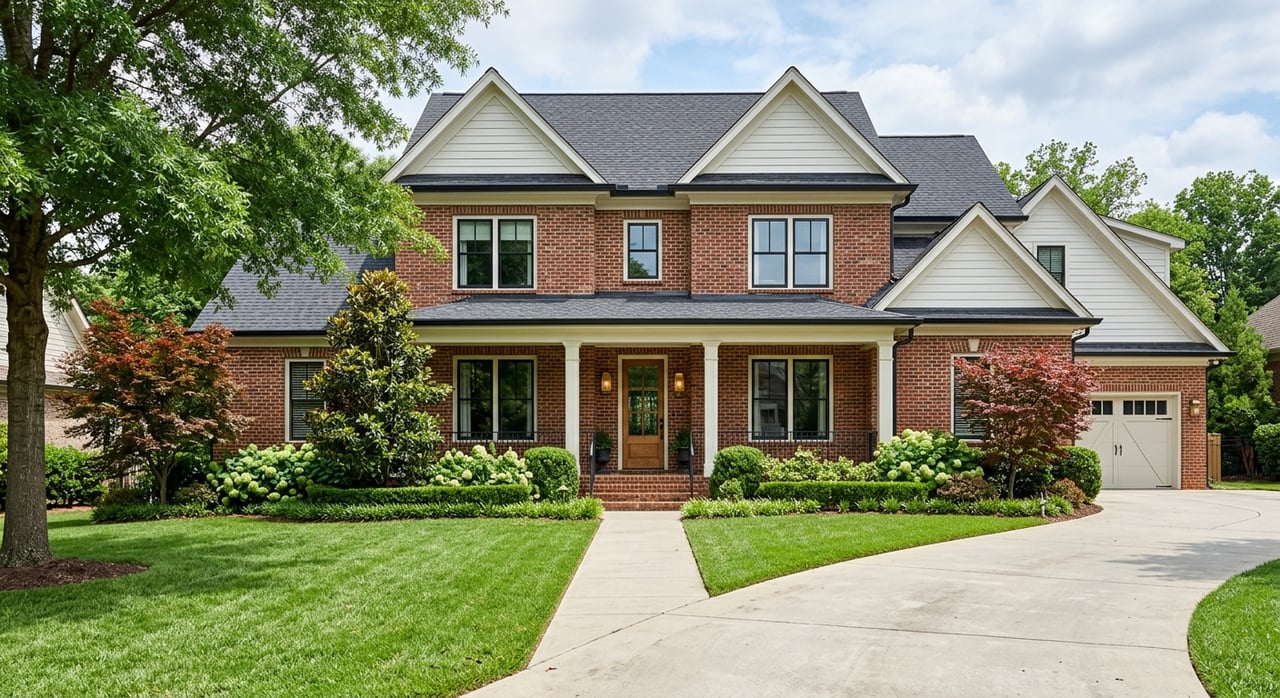
First-Time Homebuyer Roadmap For Hoover And Nearby Suburbs
April 23, 2026
April 23, 2026
Buying your first home around Hoover can feel exciting right up until the questions start piling up. How much cash do you really need, when should you get preapproved, and how do you choose between Hoover, Pelham, Helena, or Alabaster? If you want a clear plan instead of guesswork, this roadmap will walk you through the process step by step and help you move forward with more confidence. Let’s dive in.
If you are buying in Hoover or a nearby suburb, it helps to know that each area can feel a little different in price and competition. Current market snapshots for Hoover and nearby areas show Hoover at a median listing price of about $539.9K with 43 days on market, Pelham at about $460.1K with 52 days on market, Helena at about $399.9K with 38 days on market, and Alabaster at about $365K with 43 days on market.
For you as a first-time buyer, that can mean the same budget may stretch differently depending on where you search. In practical terms, one suburb may offer a different home size, finish level, or pace of competition than another. That is why it helps to compare locations early instead of focusing only on a broad price range.
Hoover also has strong regional access. The city’s official transportation guidance highlights connections to I-65, I-459, US 31, and US 280, with Birmingham-Shuttlesworth International Airport typically less than a 30-minute drive from most Hoover locations.
Before you tour homes, get your finances organized. The Consumer Financial Protection Bureau recommends reviewing your credit reports, checking your score, tracking monthly spending, and avoiding new debt before you apply for a mortgage.
This step matters because your credit profile affects both your loan options and your monthly payment. A lower score can increase borrowing costs or make qualifying more difficult. At the same time, some low-down-payment options may still be available, so do not assume you need a perfect setup to begin.
Many first-time buyers focus only on the down payment, but that is not the full picture. According to the CFPB down payment and closing cost guidance, buyers often need at least 3% down for conventional-style financing, and closing costs typically run about 2% to 5% of the purchase price.
Putting more down, such as 10% or 20%, can improve loan costs and payment outcomes. Still, the right move depends on your savings, monthly comfort level, and the loan programs available to you. The goal is not just getting into a home. It is getting into a home in a way that feels sustainable.
If your savings feel like the biggest obstacle, Alabama does offer programs worth reviewing. The Alabama Housing Finance Authority homeownership programs include First Step, Step Up, and an Affordable Income Subsidy Grant through participating lenders.
AHFA states that these programs can provide low interest rates and down payment assistance. Step Up is designed for moderate-income buyers who can afford the mortgage but need help with the down payment, which makes it especially relevant for many first-time buyers.
The AHFA eligibility page says Step Up requires, among other things, a credit score of 640 or higher, a debt-to-income ratio of 45% or lower, completion of a homeownership education course, and owner-occupancy within 60 days of closing.
Program rules can vary by loan type and target area, so it is smart to ask a participating lender about your options early in the process. That way, you can budget around real numbers instead of rough estimates.
HUD also notes that FHA loans and HUD-approved housing counselors can be helpful for first-time buyers. Counseling agencies may offer workshops and guidance on budgeting, credit, and pre-purchase planning, and some services are free or low cost.
Once your budget is in shape, the next step is preapproval. The CFPB explains that a preapproval letter is not the same as final loan approval, but sellers often want to see one before accepting an offer.
Preapproval is usually valid for about 30 to 60 days. That means timing matters. If you get preapproved too early and then pause your search, you may need to update paperwork before you write an offer.
A smart first-time buyer sequence looks like this:
That order aligns with CFPB mortgage-shopping guidance. It keeps you focused, helps you avoid surprises, and lets you shop with more confidence.
Not every nearby market moves the same way. Based on the current Hoover-area market snapshot, Hoover and Pelham appear more balanced, while Helena is more seller-leaning right now.
That matters when you are writing offers. In a balanced market, you may have a bit more room to evaluate homes carefully. In a seller-leaning market like Helena, you may need to move faster and expect tighter competition on well-priced homes.
This does not mean every listing follows the same pattern. Some homes sit longer, others move quickly, and condition and pricing always matter. But understanding the broader market can help you set better expectations from day one.
Hoover spans both Jefferson and Shelby counties, and nearby suburbs feed into different school systems. Hoover City Schools serves the city with 16 schools and reports a 98.5% graduation rate, while Pelham City Schools and Shelby County Schools serve nearby areas.
Because district and attendance information can vary by exact address, it is important to verify school assignment before you make an offer. The same is true for county-specific tax and administrative details. In this area, small map differences can affect where you go for records, taxes, and post-closing paperwork.
Once you find the right home, your offer should reflect both the property and the local market. Price is important, but timing, financing strength, and contract terms matter too.
If the home is in a more competitive area, you may need a cleaner offer package and quick decision-making. If the home is in a more balanced pocket, you may have more room for negotiation. The key is making a decision based on current conditions, not assumptions.
This is one of the biggest areas of confusion for first-time buyers. According to the CFPB inspection guidance, a home inspection is different from an appraisal, and buyers should not skip the inspection.
An appraisal helps the lender evaluate value. An inspection looks at the home’s condition. If serious issues come up during inspection, you may be able to renegotiate repairs or cancel the contract if your agreement includes a satisfactory-inspection contingency.
After your offer is accepted, the process shifts into documentation and deadlines. The CFPB closing guide says this stage usually includes providing additional documents, arranging homeowners insurance and title insurance, and reviewing the Closing Disclosure.
By law, you must receive the Closing Disclosure at least three business days before closing. Use that time to compare it with your Loan Estimate and check fees, taxes, prepaid items, and escrow amounts carefully.
HUD’s home buying guide lays out the process in a simple order: figure out affordability, shop for a loan, make an offer, get the home inspected, shop for homeowners insurance, and then sign papers at settlement or closing. If you keep that sequence in mind, the process becomes much easier to follow.
After closing, there are a few local details you do not want to overlook. In Alabama, owner-occupied residential property is Class III and assessed at 10% of fair market value, and homestead exemptions may apply when you occupy the home as your primary residence.
Because Hoover spans Jefferson and Shelby counties, the exact office and workflow depend on the property address. If your home is in Jefferson County, Hoover’s Jefferson County satellite office handles services such as property tax collections and title applications for county residents.
It is a good idea to confirm after closing which county office applies to your property and ask how a homestead exemption could affect your bill. That small step can save confusion later.
If the home is in a low-lying area or near a creek, review flood information before closing. FEMA flood maps can help identify high-risk zones.
FEMA also notes that homes in high-risk flood areas with government-backed mortgages are typically required to carry flood insurance. NFIP policies usually have a 30-day waiting period unless coverage is required by the loan or tied to a map change, so this is worth checking early rather than at the last minute.
Your first home purchase is not just about getting to the closing table. It is about making a decision that fits your budget, commute, and comfort level for the next several years.
If you take the process one step at a time, buying in Hoover, Pelham, Helena, or nearby suburbs becomes much more manageable. A clear plan, verified local details, and steady guidance can make a big difference from your first showing to your first day with the keys.
If you want a calm, step-by-step approach tailored to Hoover and the nearby suburbs, Katie Wallace can help you move forward with clear guidance and straightforward representation.
Stay up to date on the latest real estate trends.

Work with a Birmingham real estate agent who combines local market expertise with a thoughtful, strategic approach. Katie Wallace provides clear guidance, strong negotiation, and seamless support from first showing to closing day.

KATIE WALLACE
ADDRESS 2635 Valleydale Rd Birmingham AL 35244