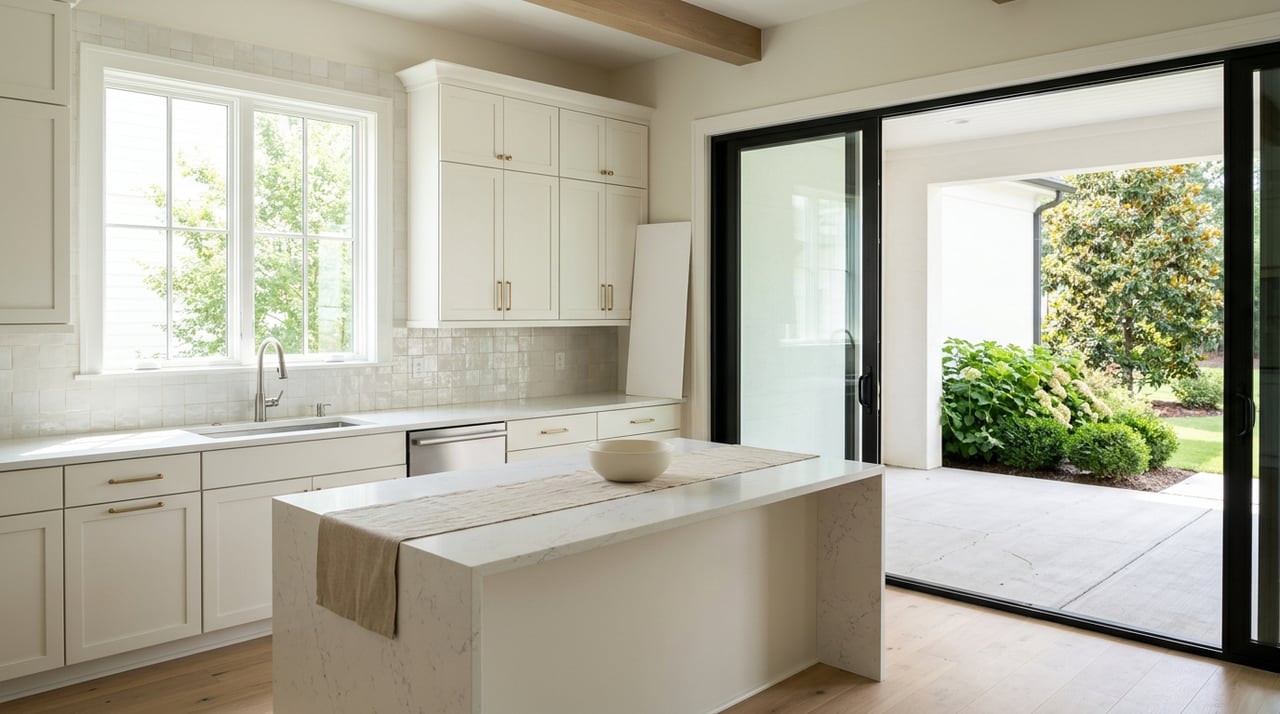
New Construction Helena Homes vs Resale in Helena
April 2, 2026
April 2, 2026
Trying to decide between a brand-new home and a resale home in Helena? You are not alone. In a growing city with both newer neighborhoods and established areas, the right choice often comes down to how you want to live, how quickly you need to move, and how much customization you want along the way. This guide will help you compare new construction versus resale homes in Helena so you can make a clear, confident decision. Let’s dive in.
Helena gives you a mix that many buyers want. It is a growing city, with the U.S. Census estimating a July 2024 population of 22,200, up from 20,914 in 2020, and it remains heavily owner-occupied, with a 91.1% owner-occupied housing rate, according to Census QuickFacts for Helena.
That growth helps explain why you will find both new construction opportunities and resale homes across the area. Helena also has an established core with active Old Town retail and dining, parks, and community character highlighted on the City of Helena resident pages, which makes the comparison more nuanced than simply choosing “old” or “new.”
Current home value trackers place Helena in the mid-$300,000s, with reported values around $352,611 to $373,500, and recent time-to-pending or time-to-sell snapshots ranging from roughly 67 to 101 days. That means timing, condition, and location can all matter when weighing your options.
New construction usually appeals to buyers who want a home that feels more personalized from day one. If you value choosing finishes, layouts, and design details, a new build can give you more control than a typical resale purchase.
According to the National Association of Realtors guide to buying land and building a new home, stock plans and spec homes may even allow some customization while shortening the design phase. That can be a helpful middle ground if you want a newer home without taking on a fully custom process.
One of the biggest advantages of new construction is choice. Depending on the stage of the build, you may be able to select:
This can make the home feel tailored to your needs before you ever move in.
New homes usually come with newer systems and materials, which can reduce repair needs in the first few years. NAR notes that buyers are often drawn to modern floor plans, newer energy-efficient products, and lower utility bills when comparing new homes to existing ones.
That can be especially appealing if you want fewer immediate projects after closing. Instead of budgeting for an older roof, HVAC system, or outdated electrical components, you may have a cleaner maintenance runway.
Another reason buyers lean toward new construction is warranty coverage. The Federal Trade Commission’s overview of new home warranties explains that builder warranties often cover workmanship and materials for one year, major systems such as HVAC, plumbing, and electrical for two years, and sometimes structural defects for up to 10 years.
That does not remove all risk, but it can offer a layer of protection that resale homes often do not include in the same way.
A new home can be a great fit, but it is not always the easier path. The tradeoffs are important, especially if your timeline or budget is tight.
New construction often costs more at the start. NAR notes that pricing may include land, labor, materials, permits, and in some cases architect fees, plus upgrades that are not part of the base price.
That last part matters. A base price may look attractive at first, but design selections and lot premiums can change the final number quickly.
If speed matters, new construction can be challenging. For custom homes, NAR says the design phase often lasts three to six months, and construction typically lasts at least 12 to 16 months.
Even if you are buying a spec home already in progress, you may still face a longer wait than you would with a resale property. If you need to line up a sale, a lease ending, or a job relocation, that timeline can become a major factor.
Building a home is not just about picking finishes. Helena’s Building, Planning, and Development department shows that local building, grading and clearing, and stormwater paperwork are part of the broader process.
That does not mean every buyer handles each step directly, but it does show that new construction involves more moving parts than many people expect.
New neighborhoods can feel less settled at first. NAR also points out that sparse landscaping is a common drawback of new-home purchases.
If you love mature trees, established outdoor spaces, and a more lived-in feel, this can be one of the biggest differences you notice right away.
Resale homes appeal to buyers who want a faster move, a more established setting, or a lower entry point. In Helena, that can be especially attractive because the city offers a blend of long-standing community areas and newer growth.
If you want to plug into parts of Helena shaped by Old Town, parks, and long-running local activity, resale may give you more options in those areas.
The biggest practical benefit of buying resale is speed. The house already exists, and many resale homes are move-in ready or close to it.
NAR contrasts this directly with the wait times that often come with new construction. If you need housing on a predictable timeline, resale often provides more certainty.
NAR lists established neighborhoods, mature landscaping, and move-in readiness among the key advantages of existing homes. In Helena, that can pair well with the city’s established identity, including Old Town activity and community spaces highlighted on the city’s resident resources.
For many buyers, that neighborhood maturity matters just as much as the house itself.
Resale homes can also offer lower-priced entry points compared with new construction. That does not mean every resale home is cheaper, but it often gives you more flexibility if you are balancing budget with location and square footage.
You may also find larger lots, more privacy, or features that would cost extra in a new build.
Resale homes come with clear strengths, but they can also require compromise. The key is knowing what kind of compromise you are willing to make.
With a resale home, what you see is largely what you get. NAR notes that buyers usually have less flexibility on floor plan, lot size, and finishes unless they are willing to renovate.
If your dream home includes a very specific layout or design style, you may need to budget for updates after closing.
Older homes can come with older systems. NAR points out that resale buyers may face outdated finishes, less energy-efficient features, or higher retrofit costs if they want a more modern look and feel.
That does not mean a resale home is a poor investment. It just means you should look closely at condition, age, and likely repair timelines before making an offer.
If a resale home is competing with nearby new construction, older finishes may stand out more. NAR notes that this can affect perceived value and negotiation leverage.
For buyers, that can be an opportunity if you are open to cosmetic updates. For sellers, it is one reason presentation and pricing strategy matter so much.
One common mistake is assuming a new home does not need an inspection. That is not true.
The NAR consumer guide to home inspections explains that buyers can inspect a new home between contract and closing, and phase inspections at points like the foundation pour, pre-drywall stage, and final punch-out can help catch issues early. NAR also suggests a later inspection around the 10- to 11-month mark, which can be useful before certain warranty periods expire.
For resale homes, inspections remain one of your most important protections. They help you evaluate major components like the roof, structure, plumbing, electrical, and HVAC before closing.
| Factor | New Construction | Resale Home |
|---|---|---|
| Move-in timeline | Usually longer | Usually faster |
| Customization | More options, especially early | Limited unless you renovate |
| Maintenance early on | Often lower | May be higher depending on age |
| Energy efficiency | Often stronger with newer products | Can vary by updates and age |
| Landscaping and setting | May feel less established | Often more mature |
| Price structure | Base price plus upgrades and other costs | More fixed at contract stage |
| Warranty coverage | Often includes builder warranty | Varies, often less built-in |
In Helena, the best choice is usually not just about price. It is about how much time, maintenance, and personalization you want in the first few years of ownership.
Choose new construction if your priorities include customization, newer systems, and you have flexibility to wait for completion. Choose resale if you want a faster move, a more established neighborhood feel, or better access to Helena’s mature community areas.
A simple way to think about it is this:
Before you tour homes, it helps to rank your top priorities. Ask yourself:
When you get clear on those answers, the right direction usually becomes easier to see.
Whether you are comparing new construction communities or established resale options in Helena, having calm, straightforward guidance can save you time and help you avoid expensive missteps. If you want help weighing your options and building a plan that fits your timeline and budget, reach out to Katie Wallace.
Stay up to date on the latest real estate trends.
Work with a Birmingham real estate agent who combines local market expertise with a thoughtful, strategic approach. Katie Wallace provides clear guidance, strong negotiation, and seamless support from first showing to closing day.
KATIE WALLACE
ADDRESS 2635 Valleydale Rd Birmingham AL 35244