What Makes A Hoover Home Feel Truly Luxury
May 7, 2026
May 7, 2026
If you have ever walked into a home and thought, this just feels different, you already understand that luxury is not only about price. In Hoover, a truly luxury feel usually comes from a mix of setting, layout, light, finishes, and how the home is presented to the market. Whether you are preparing to sell or trying to understand what sets certain homes apart, knowing these signals can help you make smarter decisions. Let’s dive in.
In Hoover, luxury is relative to the local market. With a median value of owner-occupied housing around $412,200 and market snapshots showing median sale prices near $462,000 and median list prices near $540,000, a home usually feels truly luxury when it stands well above the citywide middle in both condition and presentation.
That means the luxury label is not reserved only for the largest estate or the highest list price. A home can feel luxury because of its privacy, mountain views, smart design, natural light, or polished finishes. In this market, buyers often respond to the full experience of the property, not just the number attached to it.
Hoover also supports that premium feel as a city. It is a fast-growing suburban community with interstate access at I-65 and I-459, established neighborhoods, and a range of housing options that include estate settings, golf-oriented communities, and homes connected to outdoor amenities.
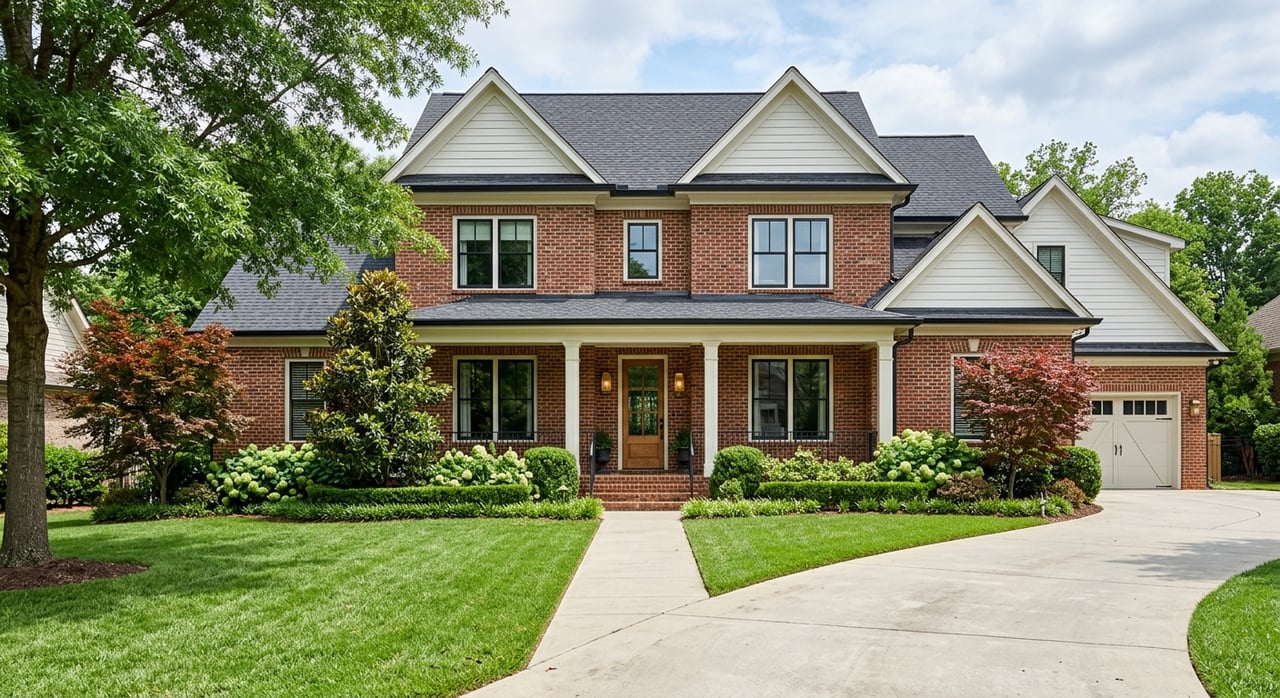
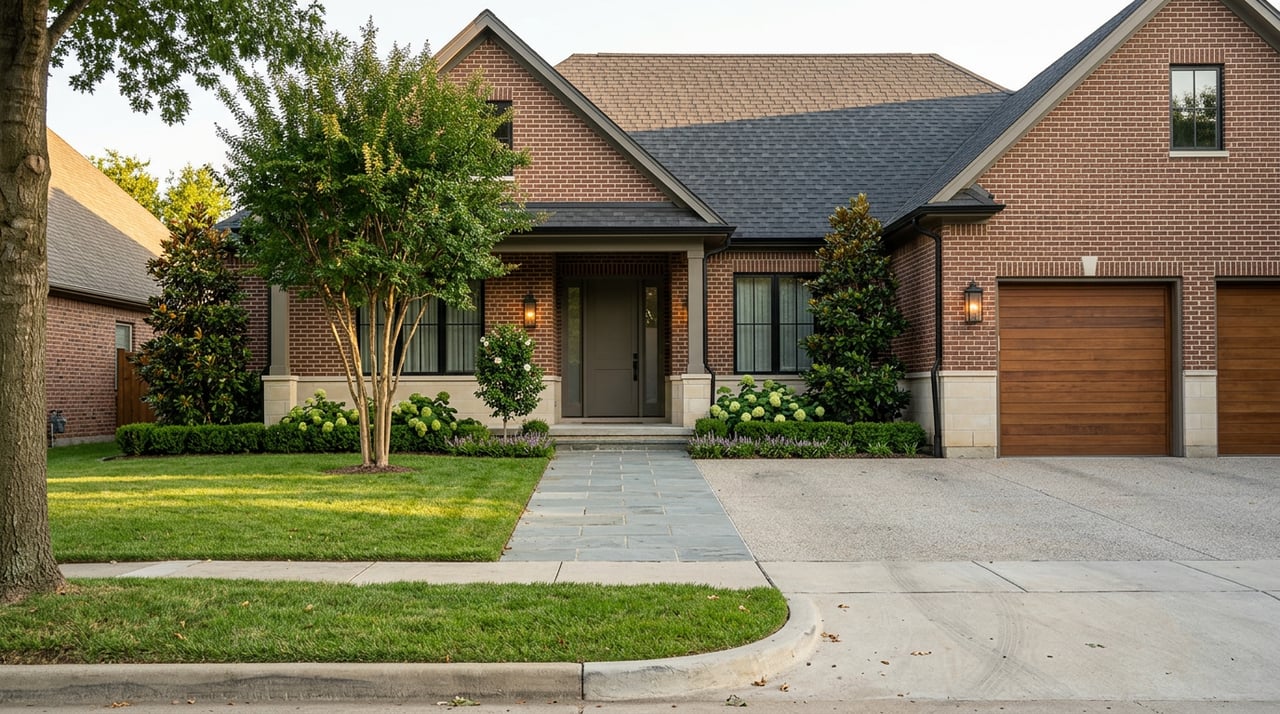
In Hoover, the lot and neighborhood setting do a lot of the heavy lifting. Before a buyer notices a countertop edge or light fixture, they usually notice the approach to the home, the privacy of the lot, the trees, the elevation, and the feeling of space.
The city’s housing materials point to several local settings that often read as premium. Bluff Park is known for tree-lined historic streets, Greystone for estate homes along ridges and valleys near Oak Mountain, and communities like Ross Bridge and Blackridge for a more resort-style setting.
East Hoover and the Highway 280 corridor are framed by Oak and Double Oak Mountains. West Hoover offers access to the Cahaba River, the Hoover Met Complex, and other amenities. In practical terms, that means homes with wooded lots, long views, mature landscaping, or a strong connection to recreation often feel more elevated from the start.
Hoover’s recreation system reinforces this. The city notes 25 public parks, 605 acres of parkland, 50 miles of Cahaba River frontage, six golf courses, Moss Rock Preserve, and Black Creek Mountain Bike Park. That backdrop helps explain why outdoor connection matters so much here.
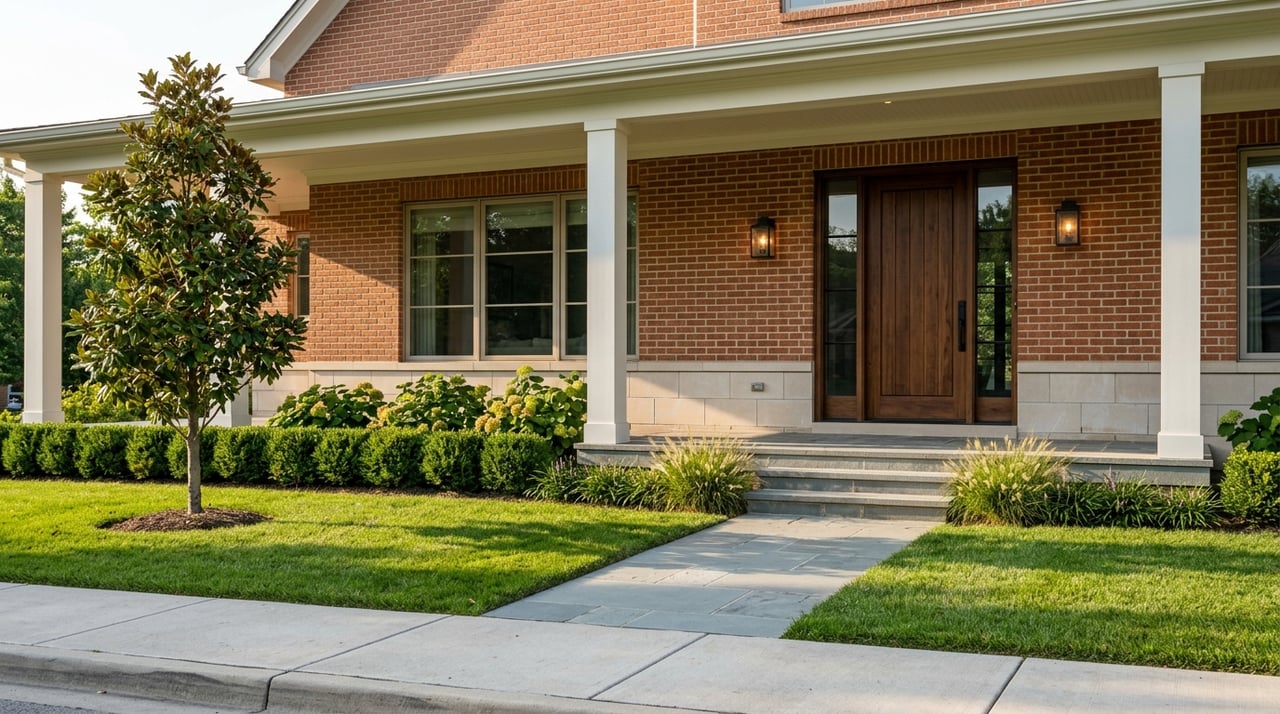
When a Hoover home feels luxury from the curb, it often includes:
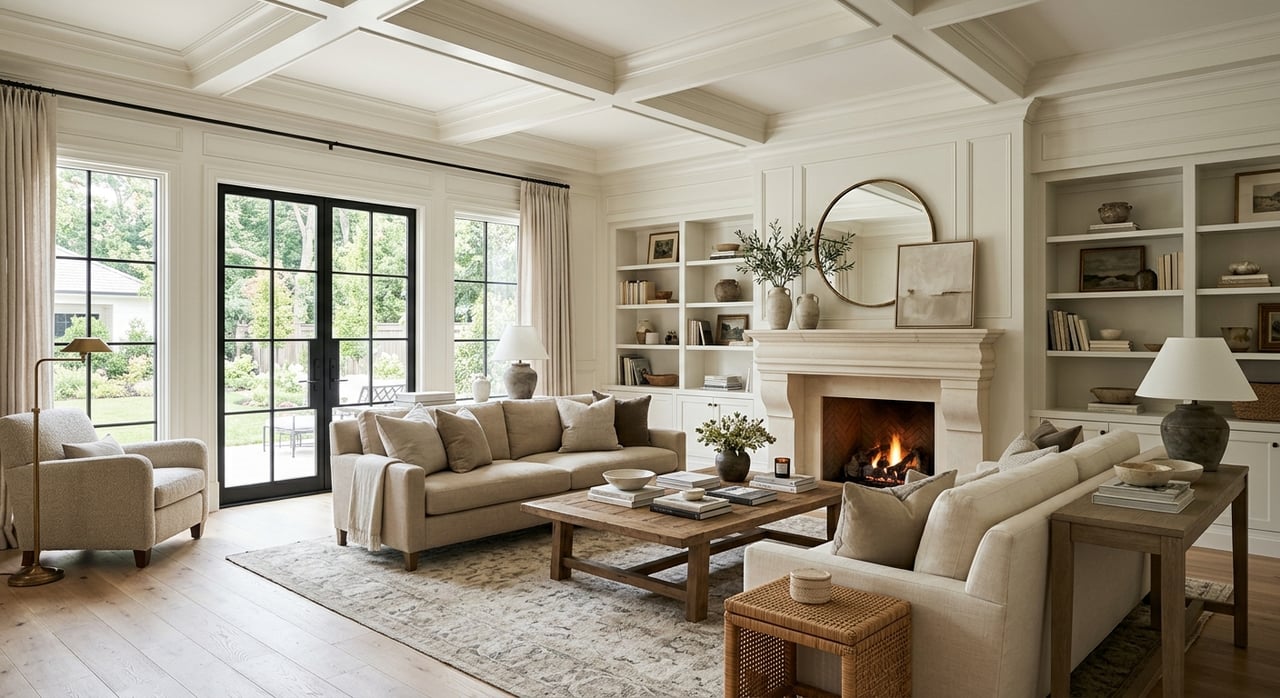
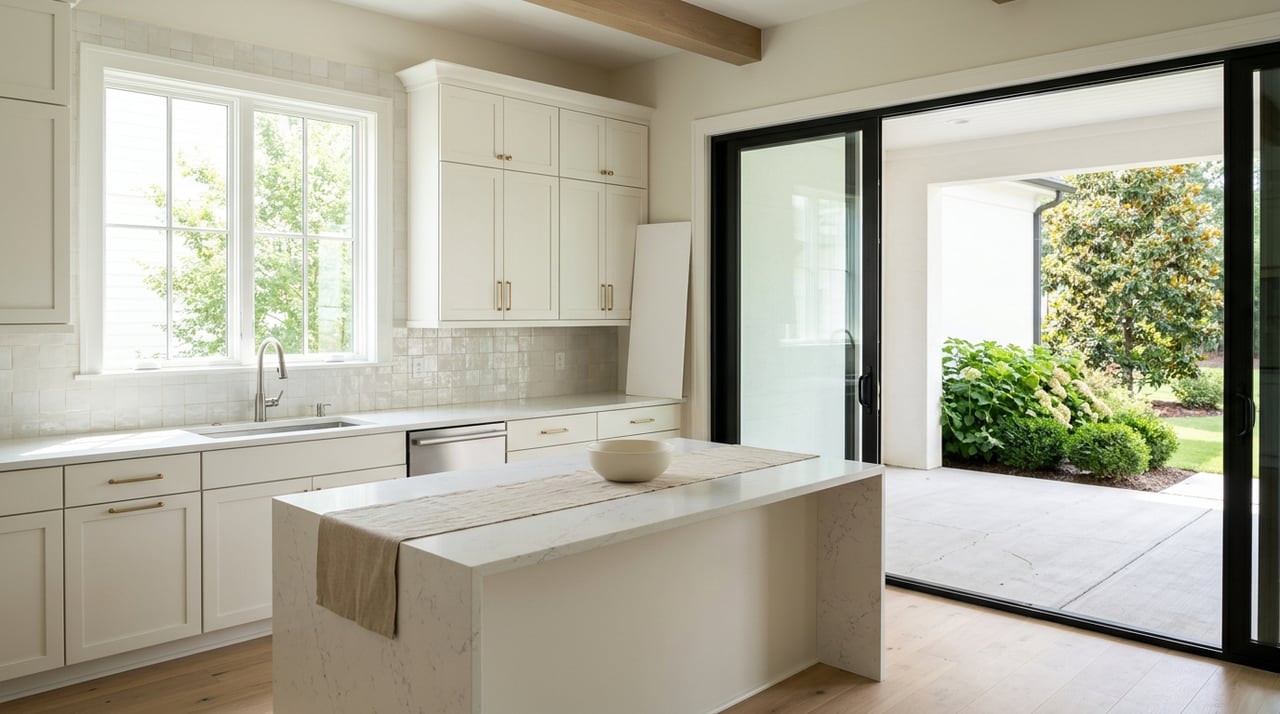
Inside the home, luxury usually shows up less as excess and more as balance. Buyers tend to respond to rooms that feel bright, open, and intentional rather than crowded or overly decorated.
Current luxury design trends point to features like strong sightlines, large windows, vaulted or cathedral ceilings, great-room layouts, and spa-like details. The common thread is not just cost. It is the way the home functions and how the space feels when you move through it.
In Hoover, this often translates especially well in larger single-family homes where buyers want openness without losing warmth. The best luxury interiors usually feel open but not empty, and bright but not sterile.
A Hoover home often reads as more luxurious when it includes:
Large glass openings, sliding glass walls, and strong backyard views can also raise the perceived quality of a home. Buyers often experience these features emotionally before they ever describe them in words.
In many markets, outdoor space is a bonus. In Hoover, it is often part of the luxury equation.
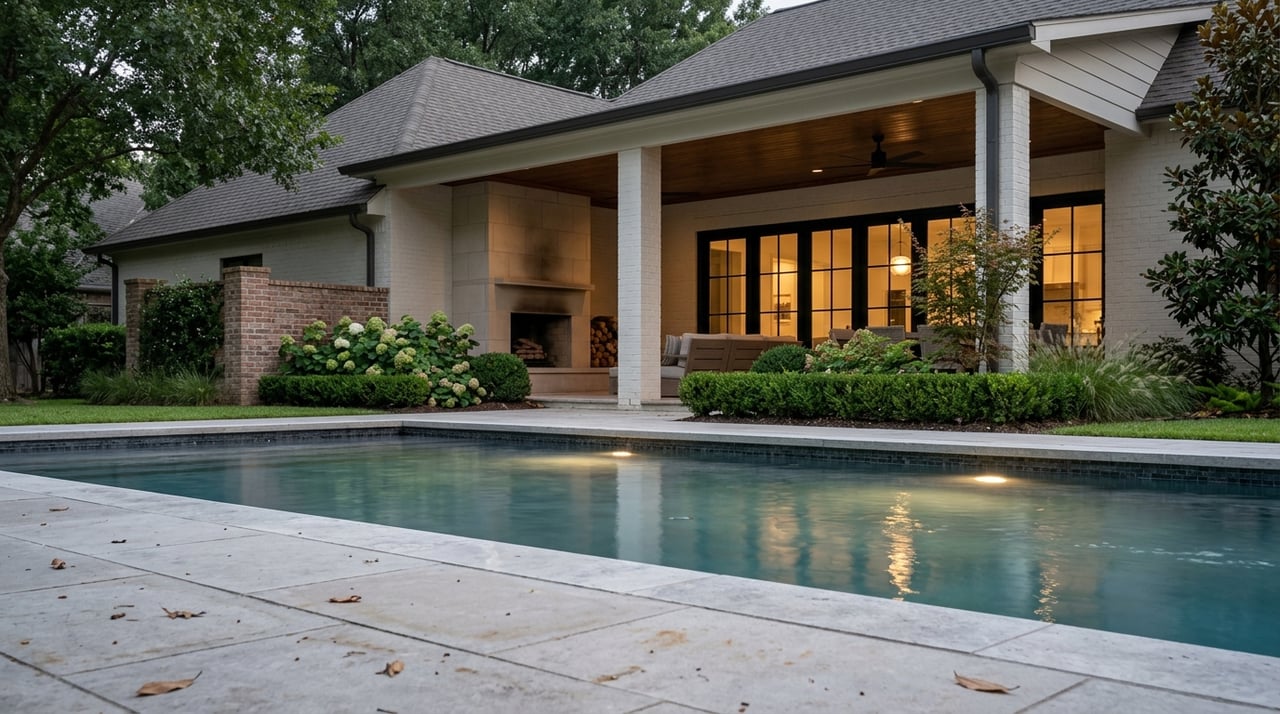
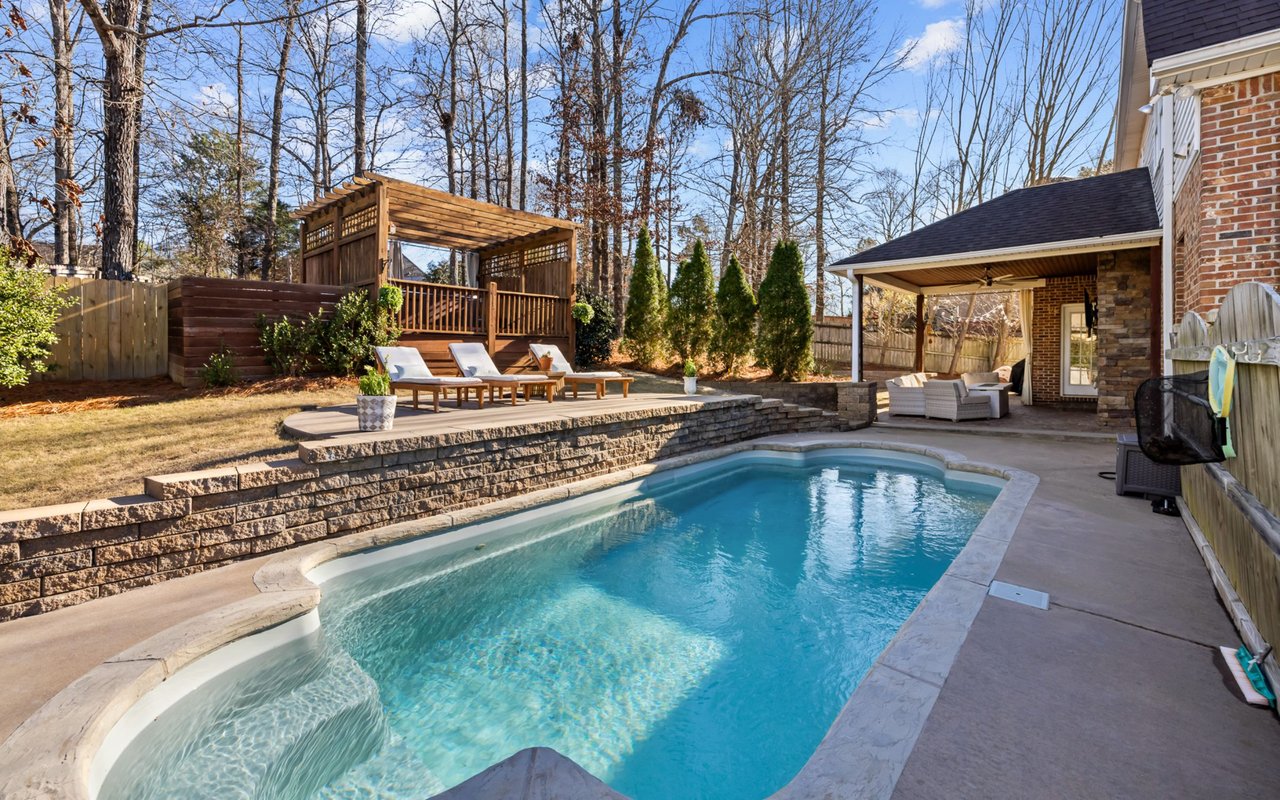
Because the area is shaped by parks, trails, golf, wooded views, and river access, buyers often expect the backyard to feel like an extension of the home. A covered patio, inviting seating area, or well-designed pool space can make a property feel significantly more complete.
Luxury outdoor living today is also more functional than decorative. Covered patios with lighting, outdoor kitchens, integrated sound or lighting, fireplaces, and resort-style pools all help outdoor areas feel purposeful and premium.
If you are preparing to sell, these features often help a home feel more luxury:
The goal is not to add every possible feature. The goal is to make the outdoor space feel finished, usable, and aligned with the way buyers want to live in Hoover.
One of the biggest mistakes sellers make is treating luxury as something that exists only in the house itself. In reality, presentation is part of what makes a Hoover home feel premium.
That starts with staging. According to the National Association of Realtors’ 2025 staging snapshot, 83% of buyers’ agents said staging makes it easier for buyers to visualize a home as their future residence. In other words, staging helps turn features into a lifestyle buyers can immediately understand.
The most commonly staged rooms are the living room, primary bedroom, and dining room. That makes sense because these are often the spaces that shape a buyer’s first emotional response to the home.
Even beautiful homes can fall flat if they feel too personal, too empty, or visually disjointed. Staging helps by:
For a luxury-leaning Hoover listing, staging is not just decoration. It is part of the strategy to help the home feel elevated, intentional, and worth its position in the market.
Once a home is ready, the way it is launched matters just as much as the preparation. Most buyers begin online, and first impressions are made fast.
The National Association of Realtors’ online visibility guidance says 52% of buyers found the home they purchased online, nearly half started their search there, and 81% rated listing photos as the most useful feature. That makes photography one of the strongest tools in shaping whether a home feels ordinary or premium.
The first few days online matter especially because buyers are paying close attention to new listings. If the lead photo does not capture the home’s best angle, or if the early photo sequence misses the strongest spaces, you may lose attention before buyers ever schedule a showing.
For a Hoover home to feel luxury online, the launch should:
This is one reason a front-loaded marketing push matters so much. When a listing hits the market, the early momentum helps shape both buyer interest and overall perception.
If you are getting ready to sell, you do not need to chase every trend. The highest-impact upgrades are usually the ones that improve how the home feels in person and how it reads in photos.
In Hoover, that often means focusing first on light, cleanliness, paint, flooring condition, landscaping, and outdoor usability. Buyers tend to notice whether a home feels maintained, cohesive, and move-in ready well before they start tallying individual upgrade costs.
Here are the areas that often matter most:
The right plan depends on the home, price point, and competition. The goal is not over-improving. It is making sure the home presents at the level buyers expect.
A truly luxury Hoover home usually creates a complete experience. It starts with the setting, continues through the architecture and layout, and becomes more convincing through thoughtful outdoor living and polished marketing.
That is why luxury here is rarely just about square footage or price. It is about whether the home feels distinctive, well-composed, and clearly above the market standard the moment a buyer sees it.
If you are selling in Hoover, that is good news. It means the path to a stronger result is often less about extravagance and more about smart preparation, strategic presentation, and understanding what local buyers actually value.
If you want help preparing a Hoover home to stand out, Katie Wallace offers clear guidance, thoughtful strategy, and a design-forward approach built to help your home make the right first impression.
Stay up to date on the latest real estate trends.
Work with a Birmingham real estate agent who combines local market expertise with a thoughtful, strategic approach. Katie Wallace provides clear guidance, strong negotiation, and seamless support from first showing to closing day.
KATIE WALLACE
ADDRESS 2635 Valleydale Rd Birmingham AL 35244